
Ghost mannequin vs flat lay: which should you shoot?
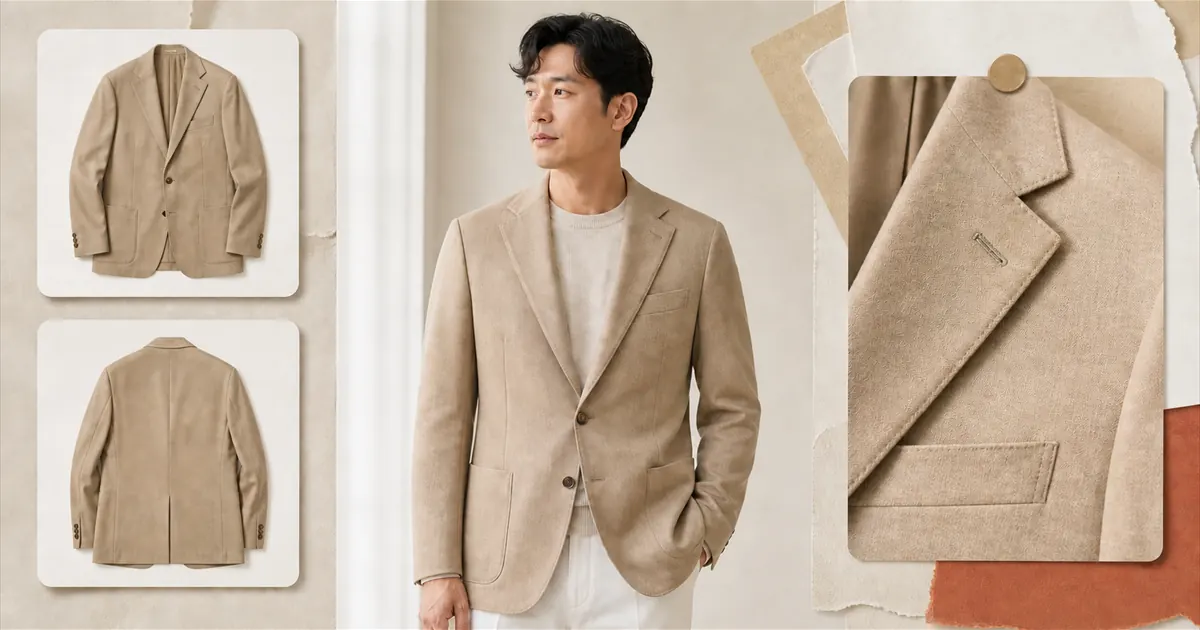
Ghost mannequin and flat lay are the two standard ways to photograph clothing without a person in it. A flat lay shows the garment laid out and shot from above. A ghost mannequin shows it standing in three dimensions, as if an invisible body were wearing it. Flat lay is cheaper and shows colour and print best; ghost mannequin shows shape; neither shows fit.
This guide compares the two on what each shows a shopper, which garments suit which, what a studio charges for each, what Amazon will accept as a main image, and which one AI model tools read more reliably. Every price and rule below was read from its source on 30 October 2026.
What is the difference between a ghost mannequin and a flat lay?
A flat lay is a garment laid on a flat surface and photographed from directly above. A ghost mannequin, also called an invisible mannequin, is a garment photographed on a mannequin that is then removed in editing, usually with a second shot of the inside neck added in, so the garment appears to hold its shape with nobody in it.
The difference is mostly in post-production. A flat lay is finished when it is shot, apart from routine retouching. A ghost mannequin needs the mannequin cut out of every image and the hidden back of the neckline rebuilt from a separate photo, which is where both its look and its extra cost come from. Two cousins sit between them: the hanger shot, which is quicker but shows the hanger and a flatter shape, and the pinned shot, a flat lay shaped with pins to suggest a body.
What does each one show a shopper?
A flat lay shows the whole outline, the colour and the print at their clearest, with no distortion from a body. A ghost mannequin adds what a flat surface cannot: volume, the shape of the shoulders and neckline, and how a structured garment holds itself. Neither shows how the garment sits on a person or how it moves.
| What the shopper wants to know | Flat lay | Ghost mannequin | On a model |
|---|---|---|---|
| Colour and print, undistorted | Best | Good | Fair: folds and shadows interrupt it |
| The full outline and length | Best | Good | Partly hidden by pose |
| Shape, volume and neckline | Poor | Best | Good |
| How it sits on a body | No | Suggested, on an idealised form | Yes |
| How the fabric moves | No | No | Only in video |
That last row is the gap both styles share, and it matters most for fluid fabrics. A satin slip dress laid flat is a rectangle of colour, and on a mannequin it hangs straight down. What a shopper of that dress wants to know is how it falls and swings, and only a body in motion shows that. Garments where movement carries the information are covered in deciding which products deserve video first.
Which garments suit a flat lay, and which suit a ghost mannequin?
Flat lays suit garments whose story is surface: t-shirts, knitwear, printed pieces, childrenswear, scarves and anything sold as a set. Ghost mannequins suit garments whose story is structure: tailoring, coats, collared shirts, shaped dresses and anything where the neckline or shoulder line is the point. Fluid fabrics suit neither well.
- Flat lay. Tees, sweatshirts and knits, where the print or texture is what sells. Childrenswear, which is small and simple in shape. Coordinated sets, which a flat lay can show together in one frame. Accessories such as scarves and belts.
- Ghost mannequin. Blazers, coats and jackets, which collapse when laid down. Shirts and blouses where the collar matters. Dresses with a defined waist or structured bodice. Swimwear and activewear, where the shape on a form says more than a flat outline.
- Neither, on its own. Satin, viscose, chiffon and anything bias-cut, where drape is the product. These need a body, and ideally motion.
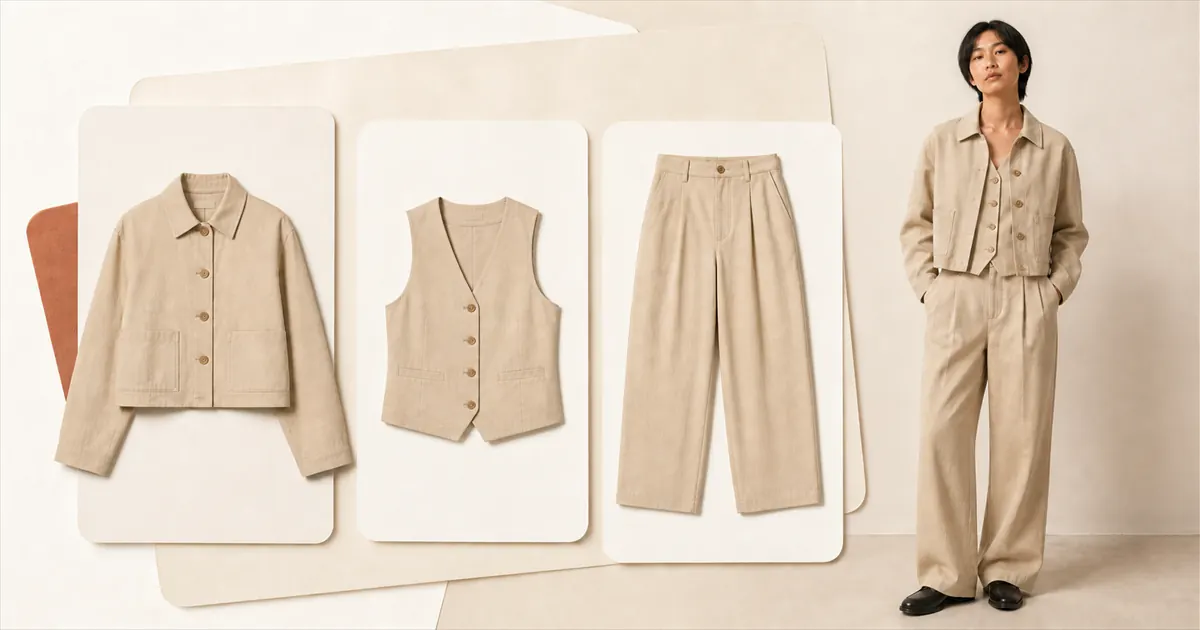
Consistency matters more than getting each product's style exactly right. A collection page where half the products are flat and half are on a form reads as two different shops. Pick one style per category, say ghost mannequin for outerwear and flat lay for tops, and keep it across the whole catalogue. The same discipline is what holds a collection's outfits together in a fashion lookbook.
How much does each cost to shoot?
At a studio, a ghost mannequin costs roughly half as much again as a flat lay, and on-model photography costs about three times as much. Squareshot, a US product photography studio, listed clothing flat lays from $50 an image, ghost mannequin from $75 and on-model from $150 when we checked on 30 October 2026.
| Style | From, per image | Against a flat lay |
|---|---|---|
| Flat lay | $50 | 1x |
| Ghost mannequin | $75 | 1.5x |
| On a model | $150 | 3x |
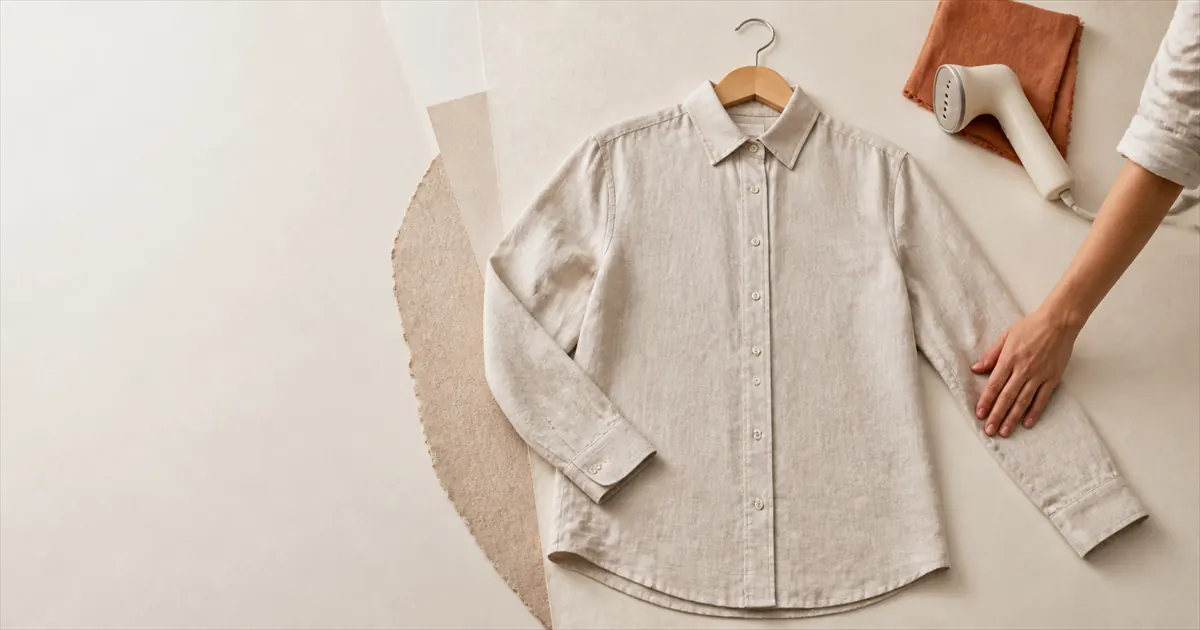
Shooting in-house changes the numbers but not the order. A flat lay needs a clean surface, a camera held parallel to it from above, soft even light and a steamer. A ghost mannequin needs all of that plus a mannequin with removable neck and chest panels, two shots per garment, and an editor who can cut out the form and rebuild the neckline on every image. That editing time, repeated on every image, is the real cost of ghost mannequin work, and it grows with the catalogue in a way a flat lay setup does not. The full in-house setup, from light and camera settings to a shot list per product, is in how to photograph clothing for an online store.
Can you use a ghost mannequin or a flat lay as an Amazon main image?
For adult clothing, neither. Amazon's product image guide requires adult-size clothing in the main image to be shown on a standing model, and bans any visible part of a mannequin, including a hanger. Flat lays are required for clothing accessories, multipacks and children's form-fitting items such as swimwear and leotards. Both styles can still go in the secondary images.
The relevant lines are in the MAIN image requirements, read on 30 October 2026. The mannequin rule applies "regardless of the mannequin's appearance", which covers clear, flesh-toned and framework forms as well as hangers. A properly finished ghost mannequin shows no mannequin at all, so it is not banned by that line, but it still fails the separate requirement that adult clothing be shown on a model. Your own Shopify store has no rules like these, which is one reason a brand that sells on both often shoots on-model for Amazon and keeps the cheaper style for its own site.
Which works better as a source for AI model photos and video?
Both work, and the cleaner photo wins over the better style. AI model tools take either a flat lay or a mannequin shot and put the garment on a generated person. A flat lay is the more ambiguous input of the two, because the tool has to infer from a flat outline where the garment sits on a body.
That ambiguity is specific. A long top laid flat can be read as a short dress, and a cropped jacket as a full-length one, because a flat outline carries no waist or hip to measure against. In Videlia, which takes either style, the garment category can be set by hand for exactly this reason: auto-detection reads most products correctly, and the setting is there for the flat lays it misreads. A ghost mannequin shot gives the tool less to guess, since the shoulders, neckline and waist are already where a body would put them, though a badly retouched hollow at the neck can mislead it in its own way.
What hurts either style is clutter. A styled flat lay with sandals, a basket and a sprig of olive is lovely on Instagram and a poor source photo, because the tool has to work out which object is the product. For AI input, use the plain version of whichever style you shoot. The full checklist, from background to lighting to garment edges, is in what makes a good source photo, and the result is a one-credit on-model still from your flat lay that you can check before spending anything on video.
So which should you shoot?
If you can afford one style for the whole catalogue, shoot flat lays: they cost least, show colour and print best, and work as AI source photos. Add ghost mannequin for categories where structure sells, such as outerwear and tailoring. Add on-model images wherever fit and drape decide the sale, which a flat surface and an invisible form cannot show.
- Mostly tees, knits and prints, on a tight budget. Flat lay throughout.
- Outerwear, tailoring or a premium position. Ghost mannequin for those categories, flat lay for the rest.
- Selling adult clothing on Amazon. You need an on-model main image there regardless, so budget for that first.
- Fluid fabrics, or high return rates on fit. On-model, in motion if you can. The case for putting a body in the picture is made in how to use AI models for your clothing brand.
Disclosure. Videlia turns flat lays and mannequin shots into AI model photos and video, so we benefit whichever style you shoot, and we have tried not to favour one. Studio prices come from Squareshot's own pages and Amazon's rules from its Seller Central image guide, both read on 30 October 2026; neither company was involved in this article. The note on garment category is checked against the Videlia app. Every image in this article is AI-generated.
Put your flat lay on a model.
Ten free credits a month is ten try-on stills, or three finished videos. Flat lays and mannequin shots both work.